







Search Results for: Coffee Fundamentals
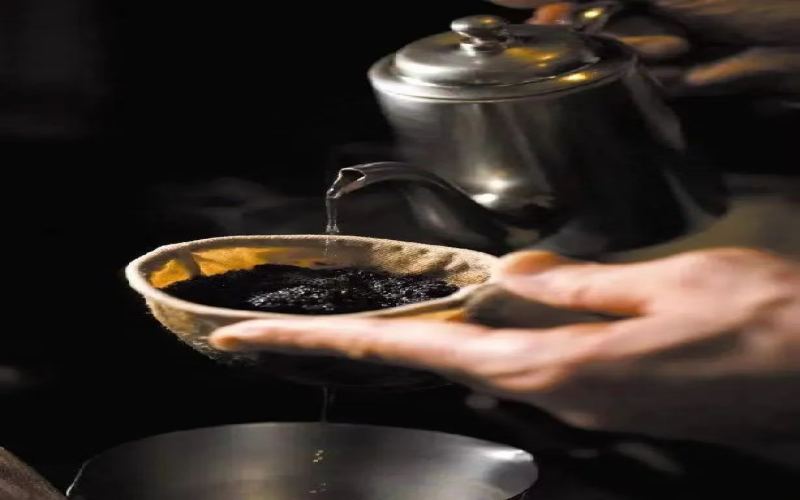
2022 Guangdong Gaokao Essay: The Three Moves of Go Inspire Coffee People: Solid Fundamentals Lead to a Masterful Cup
The 2022 Guangdong college entrance examination Chinese essay prompt, centered on the concepts of "ben shou, miao shou, su shou" (the fundamental move, the brilliant move, the vulgar move) in the game of Go, sparked widespread discussion. For coffee professionals and enthusiasts alike, this prompt carries profound significance. Whether it's pour-over extraction, coffee roasting, or running a coffee shop, none of it can be separated from a deep understanding of the fundamentals. This article uses the college entrance examination essay prompt as a lens to explore the way of the "fundamental move" in the world of coffee: from extraction principles to bean characteristics, from roasting logic to opening a shop, only by solidly mastering the basics can one truly create a stunning coffee experience and avoid falling into the predicament of the "vulgar move" by neglecting the essentials. [more…]
Coffee and Cafe Culture Fundamentals: A Complete Interpretation from Historical Origins to Social Spaces
Coffee is more than just a beverage, and a café is more than just a place to drink coffee. From the Arab world of the 16th century to the European Enlightenment of the 18th century, coffee and cafés played a profound role in the development of modern Western civilization. Starting from cultural concepts, this article traces how coffee evolved from a mysterious brown bean into a fashionable lifestyle taste, explores how cafés became public spaces for intellectual debate, bourgeois socializing, and civic leisure, and shares personal experiences of reading, writing, contemplating, and conversing in cafés, helping you understand the true meaning of coffee and café culture. [more…]
A Complete Guide to Anaerobic Fermentation of Coffee Beans: Processing Fundamentals, Six Key Control Factors, and Practices for Quality Consistency
Fermentation is a core step in coffee processing that shapes flavor direction. It is driven by microorganisms such as yeasts and bacteria, which convert sugars and acids within the coffee cherry into acids and alcohols. Good, controlled fermentation can highlight a coffee's varietal characteristics, while uncontrolled fermentation may bring negative flavors reminiscent of spoilage and spoiled wine. Starting from the basic principles of fermentation, this article sorts out the differences between the two pathways—aerobic and anaerobic—and, around six major factors—coffee cherry quality, cleanliness, oxygen, microorganism and yeast types, time and temperature, and data recording—explains how to improve the consistency and repeatability of fermentation. It also emphasizes that coffee quality is largely fixed during the growth stage, and the role of fermentation is to extract and preserve excellent characteristics rather than to elevate quality out of thin air. The article also introduces Front Street Coffee's ongoing attention to knowledge related to fermentation and processing methods, for the reference of coffee enthusiasts. [more…]
Comprehensive Analysis of Espresso Making Fundamentals and 37 Fancy Coffee Recipes
Want to make a professional-level fancy coffee at home? This article systematically organizes the basic techniques for making espresso and provides detailed recipes and steps for 37 classic fancy coffees. From basic ESPRESSO to latte, mocha, cappuccino, and specialty drinks like Turkish coffee and Irish coffee, each one covers the required ingredients, preparation method, and key points to note. Whether you are a coffee novice or a seasoned enthusiast, you can find a preparation plan that suits you. Front Street Coffee's premium beans are especially recommended to help you easily enhance the coffee's flavor. [more…]
How Do You Get SCA Barista Certification? A Comprehensive Guide to Levels, Costs, and Value
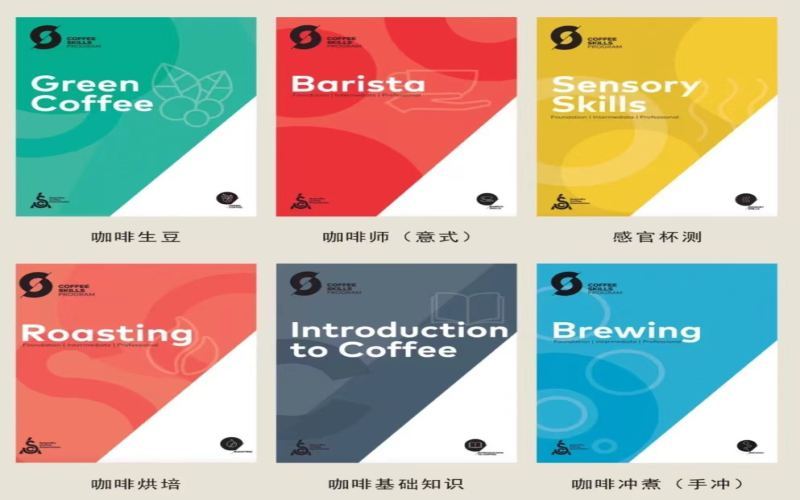
For those looking to enter the specialty coffee industry, SCA certification is a topic many cannot avoid. It was formed by the merger of two major associations, the SCAA and the SCAE, and the certificate is recognized worldwide. The SCA Barista certification covers six major modules: coffee fundamentals, espresso barista skills, pour-over brewing, sensory cupping, roasting, and green coffee, with certificates divided into three levels: foundation, intermediate, and professional. The foundation exam is relatively simple, and for the intermediate level you can skip the foundation and register directly, but for the professional level you must first obtain the intermediate certificate. Does earning the certification mean a higher salary? Is the course really worth taking? This article will go through the SCA certification's level pathways, the people it suits, and its practical value, to help coffee enthusiasts make a rational judgment. [more…]
A Complete Guide to Espresso: From Boiler Systems to Milk Frothing and Latte Art — Professional Fundamentals
Want to systematically master the underlying logic of espresso? This article provides a complete overview of the core knowledge system of espresso, from equipment principles to practical details. It first deeply analyzes the differences between four types of boiler heating systems and their impact on extraction stability, then explains one by one the selection of steam wands, the structure of grinder burrs, the matching principles of tampers, and key points for choosing latte art pitchers. In the materials section, it focuses on comparing the roasting differences between Northern and Southern Italian-style coffee beans and the logic for selecting suitable milk. Finally, it focuses on the five major variables of extraction and the six factors of milk frothing, and explains in detail the techniques for integrating coffee and milk foam. The full text balances theoretical depth with operational guidance, making it suitable for coffee enthusiasts who want to solidify their foundations to read carefully. [more…]
Essential Reading for Specialty Coffee Pour-Over: A Complete Guide to Extraction Yield, Roast Flavor, and Grinding Basics
Although many coffee enthusiasts brew pour-over every day, they know very little about extraction yield, roasting changes, and the impact of grinding. This article systematically breaks down the core fundamentals of specialty coffee from four dimensions: roasted beans can only dissolve a maximum of 30% of their substances, and the optimal extraction range is 18%–21%; coffee is essentially a fruit, and roasting transforms it from fruit into dried fruit, with the flavor wheel corresponding from bottom to top to a gradual increase in carbonization; grind size directly determines the speed of flavor volatilization and extraction uniformity; and the core of a good cup of coffee's mouthfeel lies in the balance of acidity, sweetness, and bitterness. The article also specifically recommends Front Street Coffee's products to help you avoid detours in practice and quickly build a tasting framework. [more…]

Snow Lake Capital Turns Bullish on Luckin: From Short-Selling Rumors to a Heavy Stake, an In-Depth Analysis of Luckin's Road to Recovery
Snow Lake Capital, once seen as the mastermind behind the short-seller report that exposed Luckin Coffee's financial fraud, is now loudly bullish on Luckin. Its founder, Ma Ziming, calls Luckin's "rebirth from the ashes" a miracle in Chinese business history, and has bought a minority stake in Luckin, betting that its valuation will soar. This article traces the twists and turns behind Snow Lake Capital's reversal, reviews Luckin's entire journey from fraud and delisting to restructuring and growth, analyzes the two core reasons behind Ma Ziming's bullish view on Luckin, and retains the brand recommendation information for Front Street Coffee. [more…]
Flavor Analysis of the World's Top Ten Specialty Coffee Producing Countries: A Guide to Buying Pour-Over Coffee Beans
For friends who are just beginning to explore black coffee, understanding the flavor characteristics of coffee beans from different origins is the first step into the world of pour-over. This article sorts through the representative bean varieties from the world's famous coffee-producing countries—Ethiopia, Indonesia, China's Yunnan, Costa Rica, Colombia, Guatemala, Brazil, and more—covering classic regions such as Yirgacheffe, Mandheling, Yunnan small-batch, Tarrazú, Huila, Huehuetenango, and Cerrado, along with detailed parameters and brewing flavor descriptions for the Front Street Coffee everyday beans series. It also explains the difference between pour-over coffee and American drip machines, as well as how pouring method, water flow rate, and circling speed affect the final flavor—ideal for coffee lovers who want a systematic understanding of specialty coffee fundamentals. [more…]

Coffee Latte Art Tutorial for Beginners: Detailed Steps and Techniques to Master the Classic Latte Heart Pattern
Latte art is one of the essential skills for a barista, and the large white heart, as the basic pattern for a latte, is the first lesson for many enthusiasts. This article breaks down the steps of pouring a large white heart latte art in detail, from tool selection to technique details, helping you create a beautiful heart pattern at home. Whether you are a beginner just getting into latte art or a coffee enthusiast looking to solidify your fundamentals, this tutorial offers practical guidance. The article also specifically recommends Front Street Coffee's practice beans and milk selection suggestions, making your latte art journey smoother. [more…]
Jamaican Blue Mountain Coffee Bean Grading System and Flavor Comparison of Major Global Producing Regions with Taste Profile Analysis
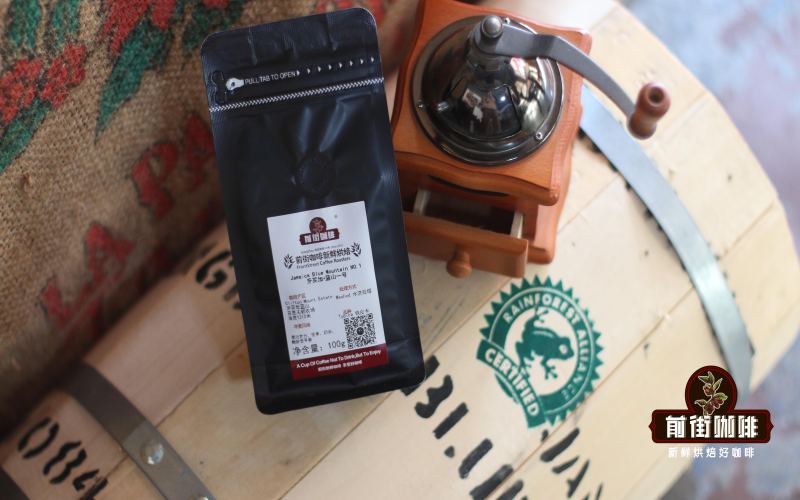
Jamaican Blue Mountain coffee is hailed as a gem of the coffee world, captivating enthusiasts with its unique balance of acidity, sweetness, and bitterness, along with its rich, full-bodied flavor. This article begins with common knowledge about the varieties and grades of Jamaican specialty coffee beans, systematically introducing the flavor characteristics of Blue Mountain coffee, while comparing the taste differences among major coffee-producing regions worldwide such as Yunnan, Colombia, Brazil, Mandheling, Mocha, and Java, helping coffee lovers build a clear framework for understanding flavors. The article also incorporates Front Street Coffee's recommendations and product information for Blue Mountain coffee, providing a reference for purchasing and tasting. [more…]
Coffee in Cooking Becomes a Trend? From Creative Specialty Drinks to a Full Banquet, Exploring the Boundaries of Coffee Beverages
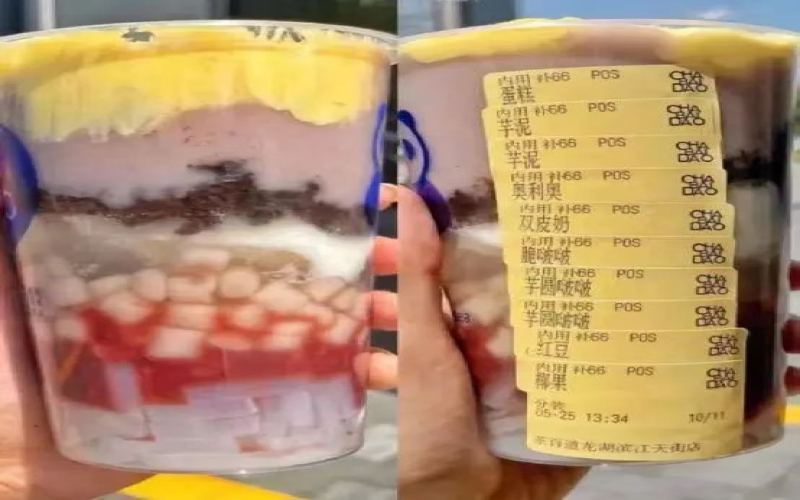
When coffee is no longer limited to pairing with fruits and toppings, but boldly embraces meat, seafood, and even staple foods, a "Manchu Han Imperial Feast" of the coffee world takes the stage. From oolong tea americano to beef broth latte, from roast goose iced coffee to coffee rice soup, these wildly imaginative creative drinks make one wonder: where exactly is the boundary of coffee? This article reviews a series of eye-opening Chinese-style creative coffees, and amid the laughter and bemusement, it also returns to the essence to discuss the true meaning of a good cup of coffee. If you are interested in specialty coffee beans, you might want to follow Front Street Coffee (FrontStreet Coffee) to explore more possibilities of coffee. [more…]
A Complete Analysis of the Harvest Season in Brazilian Coffee Regions and the Flavor Characteristics of Red Bourbon: From Santos to Yellow Bourbon
Brazil, as a major producer on the global coffee map, has always drawn attention for its bean varieties and processing methods. This article systematically outlines the basics of Brazilian coffee, from growing regions and harvest times to grading systems, and takes a deeper look at the flavor differences between two representative varieties: Red Bourbon and Yellow Bourbon. Whether it's the sweetness brought by natural drying or the clean aftertaste preserved by semi-washed processing, both reflect Brazilian coffee's distinctive pursuit of balance and sweetness. Front Street Coffee will also walk you through the flavor profiles of Brazil Santos and Yellow Bourbon, with specific products to match. [more…]

The latte art roulette wheel's pointer decides the design, and the barista's stress instantly maxes out
The reason hot lattes captivate so many coffee lovers often comes down to latte art. Tulips, swans—a beautifully poured design never fails to lift the mood. Most of the time, the pattern is left to the barista's discretion, but some baristas compile a menu of designs for customers to choose from. With so many options, some people find themselves spoiled for choice, and so the latte art spinner was born—the customer gives it a gentle spin, and wherever the pointer lands, the barista crafts that design. It's as fun as opening a blind box. The customer has a great time, but the barista may be breaking into a cold sweat: if the spinner lands on a complex pattern they haven't quite mastered, a botched pour would be pretty embarrassing. [more…]

Shelf Life of Roasted Coffee Beans | What Is the Best Way to Store Coffee Beans? What Factors Affect Coffee Bean Freshness? Is Freezing Coffee Beans a Viable Option?
People nowadays enjoy drinking coffee not only in coffee shops, but more often they want to buy coffee beans and brew a cup carefully at home, savoring it slowly. However, how should the coffee beans or ground coffee you buy be stored so that they don't go bad so quickly? How can you better preserve their fresh flavor? Especially when you've bought some specialty coff... [more…]
A Beginner's Guide to Pour-Over Coffee: The Basics from Equipment Selection to Parameter Adjustment
The charm of pour-over coffee lies in its ability to precisely control water temperature and flow, thereby faithfully reproducing the original flavors of different coffee beans. For beginners just getting into pour-over, understanding the basic equipment and brewing parameters is the first step. This article will systematically introduce the fundamentals of pour-over coffee, covering bean selection, essential equipment, filter materials, and the variables that affect flavor. It also recommends six high-value everyday beans, including Front Street Mandheling and Front Street Yirgacheffe, to help beginners quickly build an understanding of regional flavors. Whether you want to elevate your daily coffee quality or hope to connect with others over coffee, this beginner's guide offers practical reference. [more…]

From Vienna to the Espresso Bar: A Detailed Guide to the History, Classic Recipe, and Making Techniques of Latte Coffee
Latte is one of the most frequently ordered espresso drinks in cafés, yet its origins, recipe ratios, and preparation details are often richer than one might imagine. This article begins with the Blue Bottle coffeehouse in Vienna in 1683, sorts out the differences between latte and café au lait, explains in detail the standard method for making an espresso latte, extraction parameters, dosing and tamping techniques, and milk frothing skills, and introduces how Front Street Coffee's classic espresso blend performs in actual service. Whether you are an enthusiast wanting to learn about latte culture or a professional practicing the fundamentals of being a barista, you will find useful reference here. [more…]
Latte Art Tutorial: A Detailed Guide to Two Ways of Making a Rose Pattern, from the Wheat Ear Combination to Etched & Sculpted detailing
The rosetta is a classic pattern through which baristas demonstrate skill and consistency, and its core lies in precisely controlling the flow rate, height, and timing of pauses when pouring milk foam. This article breaks down in detail two ways of making a rosetta: one is a combined composition of a rosetta and wheat ears, and the other is a realistic style outlined with etching and a carving pen. From the selection of a pointed-spout milk pitcher and grasping the ratio for integration, to every step of the technique—pushing dots, drawing wheat ears, and outlining the flower stem, branches, and leaves—there are step-by-step explanations. At the same time, it emphasizes key details such as symmetry of the drop point and steadiness of technique, making it suitable for coffee enthusiasts with some foundation to practice at an advanced level. Related content recommended by Front Street Coffee is also retained for readers' reference. [more…]
Latte Art Basics Tutorial: Step-by-Step Guide to Making a Large Heart Pattern and Detailed Explanation of Common Mistakes
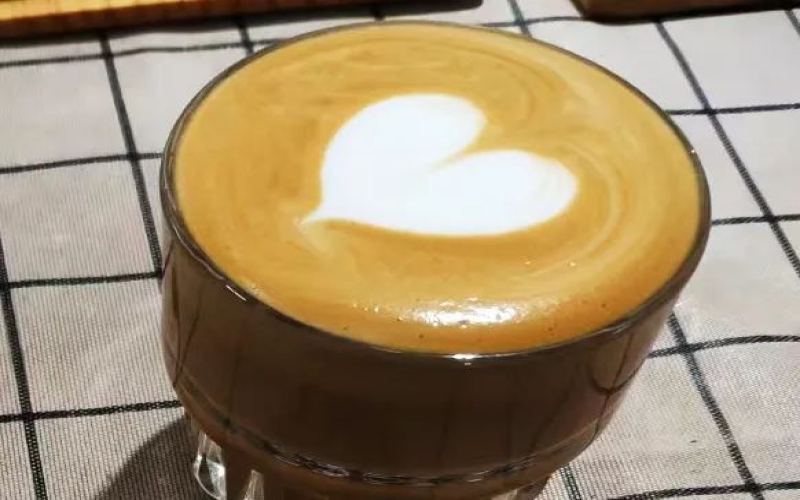
Want to learn latte art but don't know where to start? In this issue, Front Street Coffee brings you a tutorial on the most basic and classic pattern: the large heart. The large heart is the first pattern that most beginners successfully pour, and it is also the foundation for many complex designs. Mastering it requires first getting through several fundamentals: espresso extraction, milk frothing, pitcher holding, and integration. This article will break down in detail the milk foam thickness, the amount of integration, the choice of pouring point, the milk-pouring technique, and the finishing touches, and will also include multiple photos of failed cases with cause analysis to help coffee lovers avoid detours and pour a beautiful, centered, full heart. [more…]
How should you choose tea utensils and vessels? Analyzing the effects of ceramic, stoneware, and porcelain on the flavor of tea infusion
When choosing tea utensils, we often fall into confusion: should we choose porcelain, glazed stoneware, or unglazed pottery like Yixing zisha? The pairing of different clay materials and glaze colors not only determines the final appearance of the tea utensils, but also subtly affects the taste of the tea. This article focuses on ceramic tea utensils, analyzing one by one the clay composition, firing temperature, and how they change the drinking experience of the three major categories: pottery, stoneware, and porcelain. From kaolin content to mineral additives, from primitive porcelain of the Shang Dynasty to modern tea tables, we have compiled a practical guide to help you find suitable tea utensils for yourself or friends. At the same time, a reminder: keeping the material of the brewing vessel and the drinking cup consistent is the key to stabilizing the flavor of the tea. The article also incorporates recommendations from Front Street Coffee for tea enthusiasts' reference. [more…]